
The Critical Intersection of Performance and Comfort
For dedicated runners, the shorts they wear are far more than just basic clothing; they are a critical piece of technical athletic equipment. While many athletes focus heavily on their footwear or GPS watches, the wrong pair of shorts can lead to persistent chafing, restricted range of motion, and overheating, all of which significantly detract from overall performance. The inseam length—the distance from the crotch seam to the bottom of the leg opening—is arguably the most significant factor in how a pair of running shorts feels throughout a long workout. Choosing the ideal length is a delicate balance between personal aesthetic preference and the biomechanical demands of the sport, and gaining a deeper understanding of this relationship is the key to unlocking better comfort and efficiency on the track or the trail.
Navigating the Spectrum of Inseam Lengths
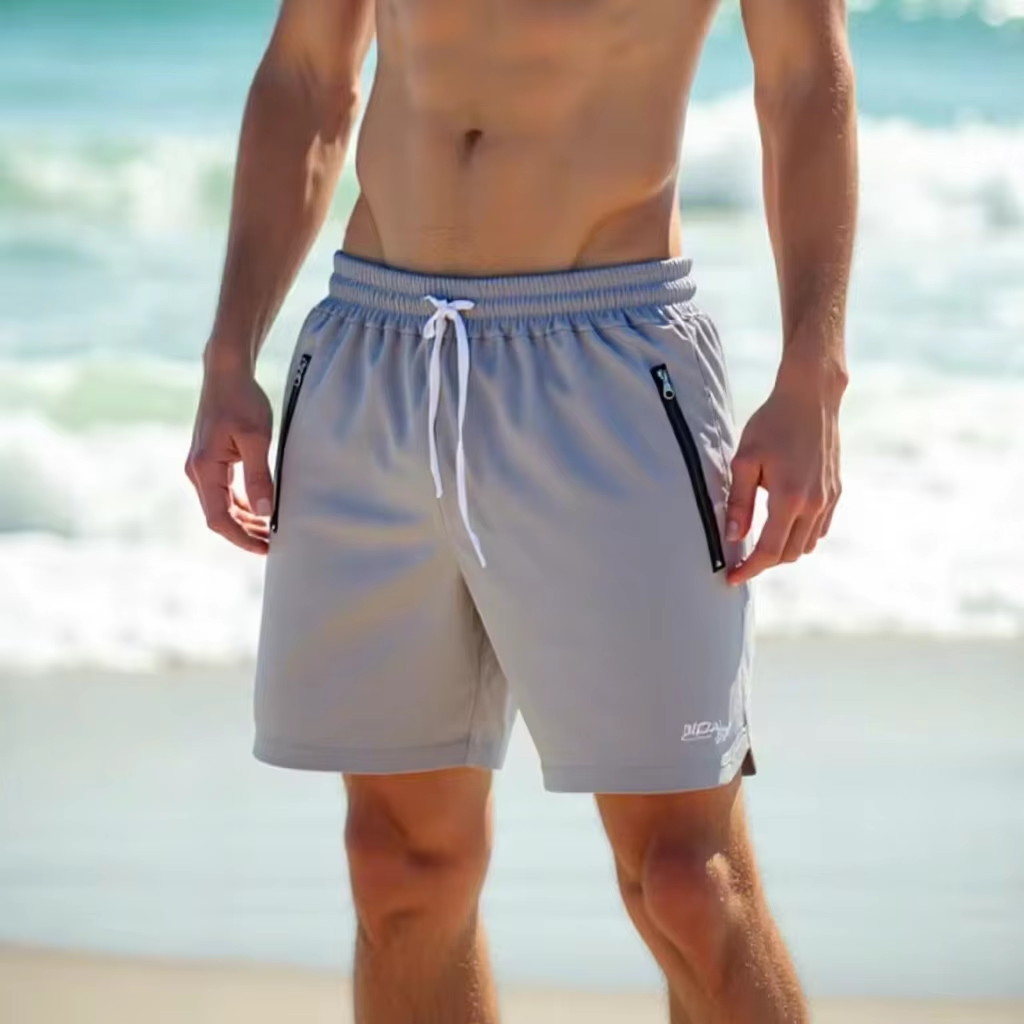
Running shorts generally fall into several distinct categories, each designed for specific athletic purposes and comfort levels. Very short inseams are often the preferred standard for competitive racing, as they offer maximum freedom of movement and optimal air circulation, essentially feeling as close to wearing nothing as physically possible. Moving toward slightly longer options, many dedicated training enthusiasts find a middle ground that provides a modest look while ensuring absolutely no resistance during high-knee drills or fast strides. Other, longer styles serve as versatile options suitable for running, gym sessions, and casual movement, while those who prefer more coverage often gravitate toward longer cuts that offer a more substantial feel for mixed-terrain training. Selecting the right length requires an honest, practical assessment of the intended activity level and the specific degree of movement freedom the athlete requires to perform at their best.
The Biomechanics of Stride and Friction
From a professional athletic coaching perspective, the primary concern with inseam length is the restriction of the hip and thigh area. Longer, heavier shorts can occasionally cause a dragging sensation during a long-distance run, which, over thousands of rhythmic repetitions, adds unnecessary fatigue to the quadriceps and hip flexors. Furthermore, friction is the runner's greatest enemy during endurance efforts. Shorter shorts generally minimize the total amount of fabric moving against the inner thigh, significantly reducing the risk of painful skin chafing. Conversely, runners with larger thigh circumferences might find that a slightly longer, looser-fitting style offers better ventilation and natural coverage, preventing the skin-on-skin friction that often occurs with ultra-short racing kits. It is ultimately a nuanced calculation of anatomy, environmental temperature, and individual running style that determines which length will keep the athlete comfortable for the duration of the run.
The Role of Technical Fabric and Precision Construction
Length alone cannot compensate for poor design or inferior materials. The most functional running shorts rely on advanced synthetic blends—often incorporating high-stretch elastane and moisture-wicking polyester—that allow the garment to move perfectly in sync with the runner. Beyond the fabric choices, the construction quality is absolutely paramount. Features such as seamless inner liners, laser-cut hems, and bonded side splits are the hallmarks of a premium garment. These design choices ensure that regardless of the inseam length selected, the garment maintains its shape, dries rapidly in humid conditions, and does not irritate the skin even during the most grueling endurance efforts. A well-designed pair of shorts effectively disappears on the body, leaving the athlete to focus entirely on their performance and breathing rather than adjusting their gear.
Manufacturing Expertise and Global Supply Chain Reliability
Creating high-performance activewear that consistently meets these rigorous technical standards is a complex manufacturing challenge. Yilong Garment has built a robust reputation by mastering the intricacies of athletic apparel production. By emphasizing strict quality control in every aspect—from the tensile strength of the specialized fabric to the precise calibration of seam allowances—Yilong Garment ensures that global brands can deliver products that runners trust. Whether producing racing-ready short inseams or versatile training gear, a deep, practical understanding of garment ergonomics and performance fabrics is what differentiates an average piece of clothing from a true athletic tool. Partnering with a specialized manufacturer that understands these nuances allows brands to maintain high standards of sizing consistency, durability, and functional innovation in an increasingly competitive market, ensuring that every runner gets exactly what they need for their specific training goals.
Balancing Functionality and Brand Quality
The ideal length for running shorts is ultimately a subjective decision rooted in objective performance metrics and personal anatomy. As athletes become more educated about the importance of their gear, the demand for precision-engineered activewear will only continue to rise. Brands that prioritize both ergonomic design and high-quality production will undoubtedly lead the way in this sector. By bridging the gap between specific athletic needs and superior manufacturing processes, industry leaders like Yilong Garment continue to empower athletes to achieve their best. When function meets form in the design of athletic apparel, the results in performance speak for themselves, proving that the right gear is an essential investment for any runner aiming to reach new personal milestones.